Transforming Wiring for Low Voltage CC
Transforming Wiring for Low Voltage CC
Digitizing assembler process to save $6.5M annually
Digitizing assembler process to save $6.5M annually
MY ROLE
MY ROLE
User Experience Lead
Interaction Design
Visual Design
User Experience Lead
Interaction Design
Visual Design
DELIVERABLES
DELIVERABLES
Component Libraries
Research Insights
High Fidelity Designs
Component Libraries
Research Insights
High Fidelity Designs
TEAM
TEAM
Designers
Developers
CAD Team
Manufacturing Engineer
Designers
Developers
CAD Team
Manufacturing Engineer
YEAR
YEAR
2022 - 2026
2022 - 2026
My Role
My Role
UX Lead · Product Design
UX Lead · Product Design
I owned the end-to-end UX design of the wiring assistance experience, working closely with product, engineering, and manufacturing stakeholders to turn a complex industrial workflow into a simpler, more reliable experience for shop-floor assemblers.
I owned the end-to-end UX design of the wiring assistance experience, working closely with product, engineering, and manufacturing stakeholders to turn a complex industrial workflow into a simpler, more reliable experience for shop-floor assemblers.
What I owned
What I owned
Research & Discovery — Conducted field research and usability validation with users across multiple manufacturing plants to understand real-world workflows, pain points, and constraints.
Product Strategy — Translated user and business problems into product opportunities, workflows, and feature priorities.
UX & Interaction Design — Designed the core wiring workflows, including wire information, instructions, CAD visualization, BOM and quality-check experiences.
Design System — Contributed to and scaled a reusable design system to create consistency across the product ecosystem.
Prototyping & Validation — Created interactive prototypes and tested concepts with real users before development.
Cross-functional Collaboration — Partnered closely with Product Managers, engineers, and manufacturing teams from concept through implementation.
Research & Discovery — Conducted field research and usability validation with users across multiple manufacturing plants to understand real-world workflows, pain points, and constraints.
Product Strategy — Translated user and business problems into product opportunities, workflows, and feature priorities.
UX & Interaction Design — Designed the core wiring workflows, including wire information, instructions, CAD visualization, BOM and quality-check experiences.
Design System — Contributed to and scaled a reusable design system to create consistency across the product ecosystem.
Prototyping & Validation — Created interactive prototypes and tested concepts with real users before development.
Cross-functional Collaboration — Partnered closely with Product Managers, engineers, and manufacturing teams from concept through implementation.
My focus
My focus
Make a complex industrial process simple enough to use confidently, while creating measurable business impact.
Make a complex industrial process simple enough to use confidently, while creating measurable business impact.
01
01
What was the problem?
What was the problem?
Company was losing $6.5M per year due to assembly errors in cabinet building
Company was losing $6.5M per year due to assembly errors in cabinet building
Wiring up a cabinet is expensive.
Wiring up a cabinet is expensive.
Since wiring is a specialized skill, and even experienced personnel can make mistakes. We identified it as a key factor behind rising costs and quality issues. Not only that but it leads to some gross numbers and errors.
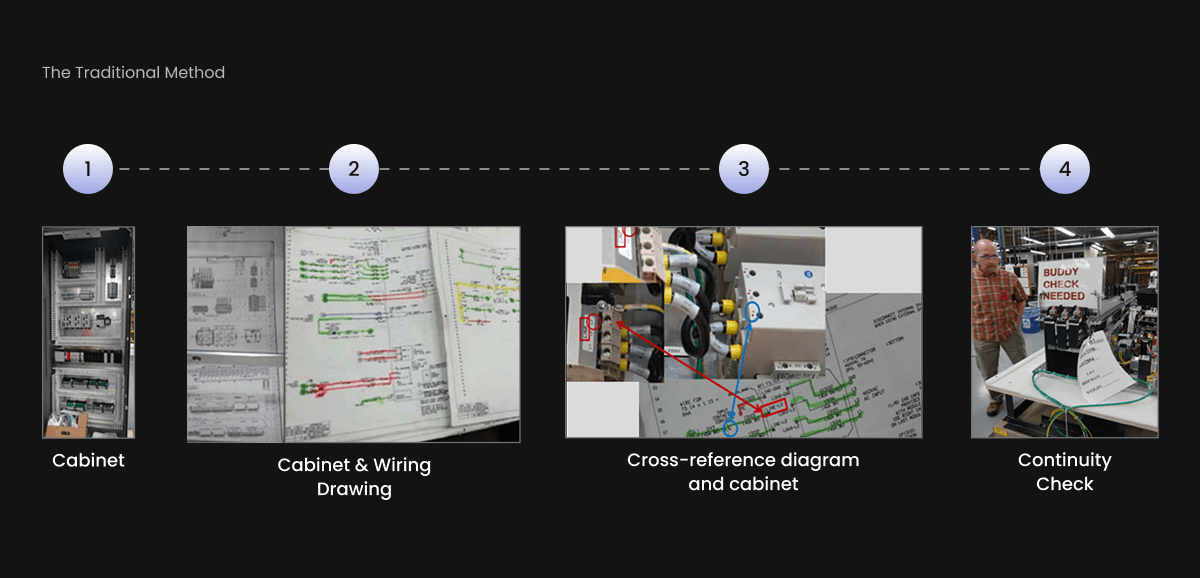
The traditional method of wiring cabinets involves looking at schematics which are drawn in A0 size sheets.
There are multiple A0 sheets (around 8 to 10)
Assemblers have to cross check everything in the sheet, then focus on cabinet, then back to sheets
No ability to mark and comment on anything
They have to re-verify if a wire is installed or not
The traditional method of wiring cabinets involves looking at schematics which are drawn in A0 size sheets.
There are multiple A0 sheets (around 8 to 10)
Assemblers have to cross check everything in the sheet, then focus on cabinet, then back to sheets
No ability to mark and comment on anything
They have to re-verify if a wire is installed or not
60%
60%
Motor Control Centre labor is wiring
Motor Control Centre labor is wiring
48%
48%
Production issues are
wiring related
Production issues are
wiring related
4+ weeks
4+ weeks
Training required to
read a schematic
Training required to
read a schematic
#1 reason to quit
#1 reason to quit
Job complexities sited as the main reason to quit. These include training and schematic reading.
Job complexities sited as the main reason to quit. These include training and schematic reading.
02
02
Research
Research
Researching what our users face when working on shop-floor
Researching what our users face when working on shop-floor
Our research led us to discover the problems technicians face with the traditional method. During the discovery phase, we focused on these main goals:
Our research led us to discover the problems technicians face with the traditional method. During the discovery phase, we focused on these main goals:
01
Gather insights on user behavior and the actual problem they face daily
Gather insights on user behavior and the actual problem they face daily
02
Research on the competitor apps in the market right now
Research on the competitor apps in the market right now
03
How can our solution cater to wider range of users
How can our solution cater to wider range of users
02.1
02.1
Conducting user interviews
Conducting user interviews
Conducting user interviews gave us much needed insights on the current process and how assemblers experience affect the build.
Conducting user interviews gave us much needed insights on the current process and how assemblers experience affect the build.
Conducting user interviews gave us much needed insights on the current process and how assemblers experience affect the build.

To ensure the best results, we developed an early prototype that included the core features of the final app. We then tested it with real users, which gave us valuable insights into their behavior, needs, and expectations when using a new application.
To ensure the best results, we developed an early prototype that included the core features of the final app. We then tested it with real users, which gave us valuable insights into their behavior, needs, and expectations when using a new application.
02.2
02.2
User Personas
User Personas
We talked with lots of users with varying experience
We talked with lots of users with varying experience
Our user personas ranged from:
Our user personas ranged from:
01
Assemblers who were very experienced in the field with more than 10-12 years of experience
Assemblers who were very experienced in the field with more than 10-12 years of experience
02
Assemblers who were completely new to the system and had no prior experience
Assemblers who were completely new to the system and had no prior experience
Jessica Guadalupe
Jessica Guadalupe
Age : 45 years
Age : 45 years
Role : Senior Assembler
Role : Senior Assembler
"
Introducing new things should not alter my workflow too much. I still want the freedom to work the assemblies as I want to.
Introducing new things should not alter my workflow too much. I still want the freedom to work the assemblies as I want to.
As a 20-year veteran of assembly work, Jessica is so proficient that she no longer requires schematics for assembly projects, and other assembler often seek her guidance because of her expertise. This causes her to sometimes missing her own monthly assembly targets. To support her effectively, the new application should integrate seamlessly into her established workflow without creating unnecessary complexities.
As a 20-year veteran of assembly work, Jessica is so proficient that she no longer requires schematics for assembly projects, and other assembler often seek her guidance because of her expertise. This causes her to sometimes missing her own monthly assembly targets. To support her effectively, the new application should integrate seamlessly into her established workflow without creating unnecessary complexities.
Key Points :
Key Points :
01
Don't want the application to change her workflow too much that she mastered over 20 years.
Don't want the application to change her workflow too much that she mastered over 20 years.
02
Application should be easy to follow and built keeping users with less exposure to tech in mind.
Application should be easy to follow and built keeping users with less exposure to tech in mind.
03
Records of the assemblies she has done.
Records of the assemblies she has done.

Miguel Carrera
Miguel Carrera
Age : 27 years
Age : 27 years
Role : New Assembler
Role : New Assembler
"
I don't have much experience in assembly work and I want
my application to make things simpler for me.
As a new assembler, Miguel has gone through comprehensive training in both mechanical and electrical assemblies, though the latter required a twelve-week deep dive into mastering complex schematics and specialized tools. To support his transition into the team, the application should prioritize clarity and ease of use, ensuring he can perform his tasks effectively with minimal additional training.
As a new assembler, Miguel has gone through comprehensive training in both mechanical and electrical assemblies, though the latter required a twelve-week deep dive into mastering complex schematics and specialized tools. To support his transition into the team, the application should prioritize clarity and ease of use, ensuring he can perform his tasks effectively with minimal additional training.
"
I don't have much experience in assembly work and I want my application to make things simpler for me.
Key Points :
Key Points :
01
Even after training he still is not clarified on many aspects of assembly process.
Even after training he still is not clarified on many aspects of assembly process.
02
Whenever Miguel is stuck, he seeks the assistance of senior assemblers which halts their progress on their assemblies.
Whenever Miguel is stuck, he seeks the assistance of senior assemblers which halts their progress on their assemblies.
03
The application should be user intuitive, and should make the workflow simpler.
The application should be user intuitive, and should make the workflow simpler.
03
03
Implementing the solution
Implementing the solution
Saving cabinet building time and reducing errors
Saving cabinet building time and reducing errors
Digitization helps in keeping track of the wiring progress and changes.
Digitization helps in keeping track of the wiring progress and changes.
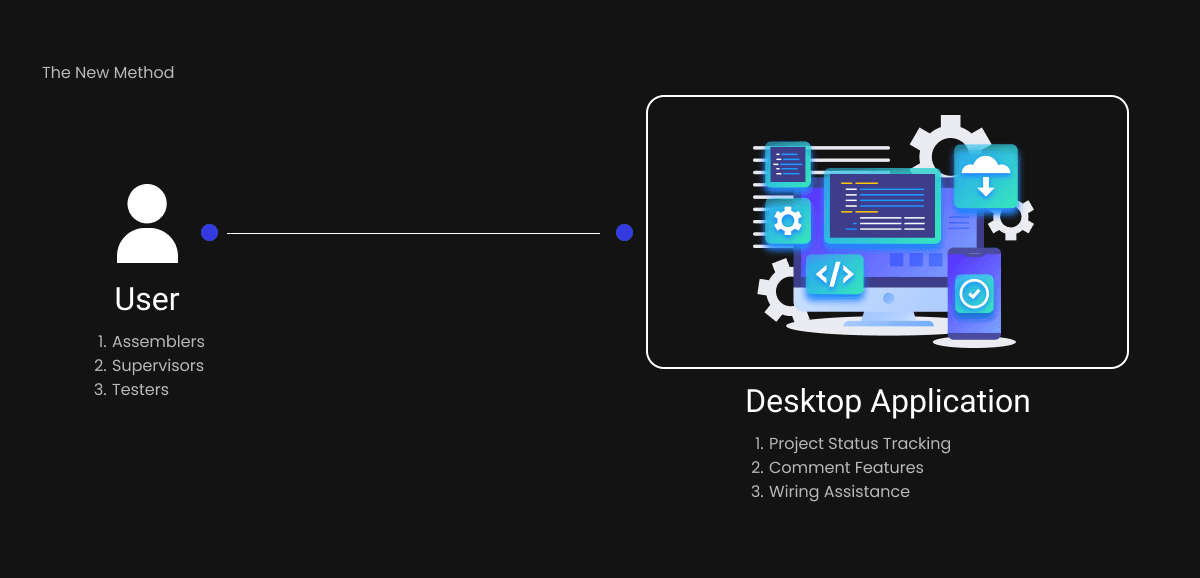
New method (involves assemblers interacting with our application) :
New method (involves assemblers interacting with our application) :
01
Users can keep track of project status
Users can keep track of project status
02
Can create comments and highlight wires.
Can create comments and highlight wires.
03
Application assists in wiring by providing instructions and interactable 3D Model.
Application assists in wiring by providing instructions and interactable 3D Model.
So the application needs to be user-friendly, easy to navigate and there should not be a high learning curve.
04
04
The Design Process
The Design Process
Overview from idea to concept
Following an agile approach to the design and development. We followed a the simple process going from research all the way to delivering the final outcomes to the devs for implementation.
Research
Discovery Phase
User Interviews
Competitive Analysis
Idea Generation
Defining Problem
User Journey
Edge Cases
Solutions
User Flow
Wireframing
Prototyping
Edge Cases Design
Testing
Internal Testing
Usability Testing
Delivery
Figma Files
Design Assets
Solutions QA

Research
Discovery Phase
User Interviews
Competitive Analysis
Idea Generation
Defining Problem
User Journey
Edge Cases
Solutions
User Flow
Wireframing
Prototyping
Edge Cases Design
Testing
Internal Testing
Usability Testing
Delivery
Figma Files
Design Assets
Solutions QA
04.1
04.1
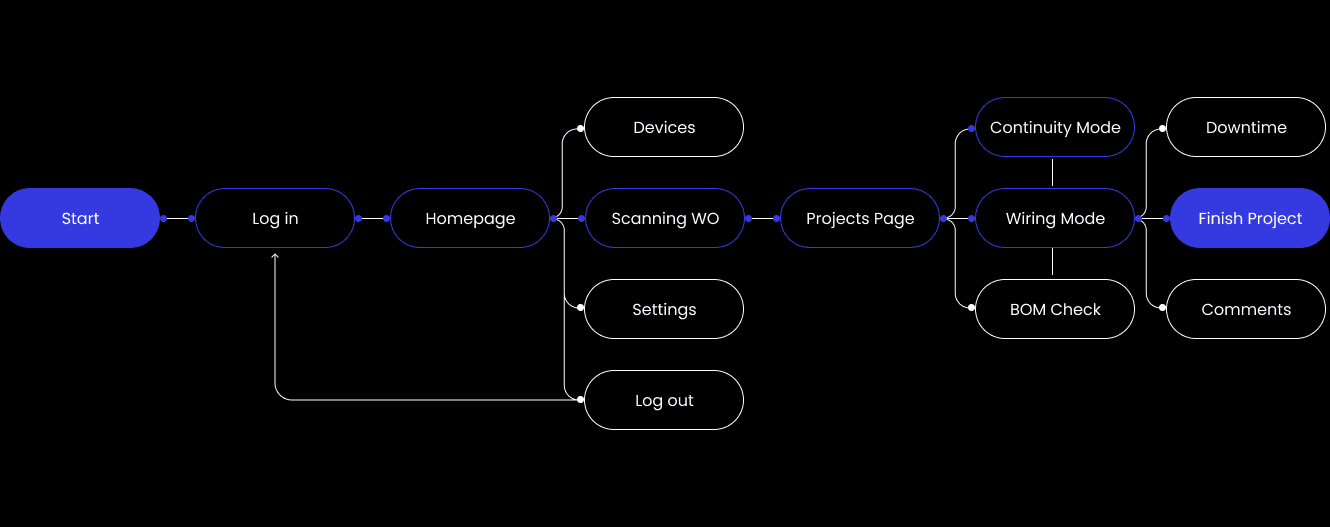
Mapping out the journey
Mapping out the journey
04.2
04.2
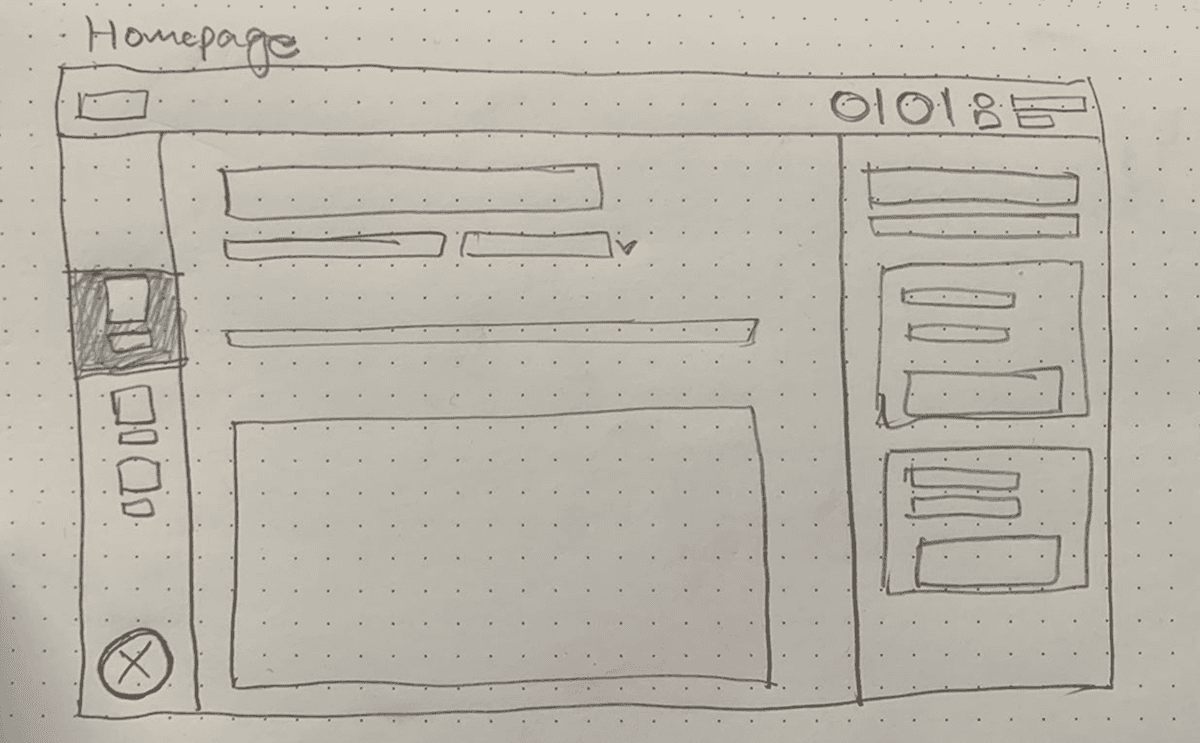
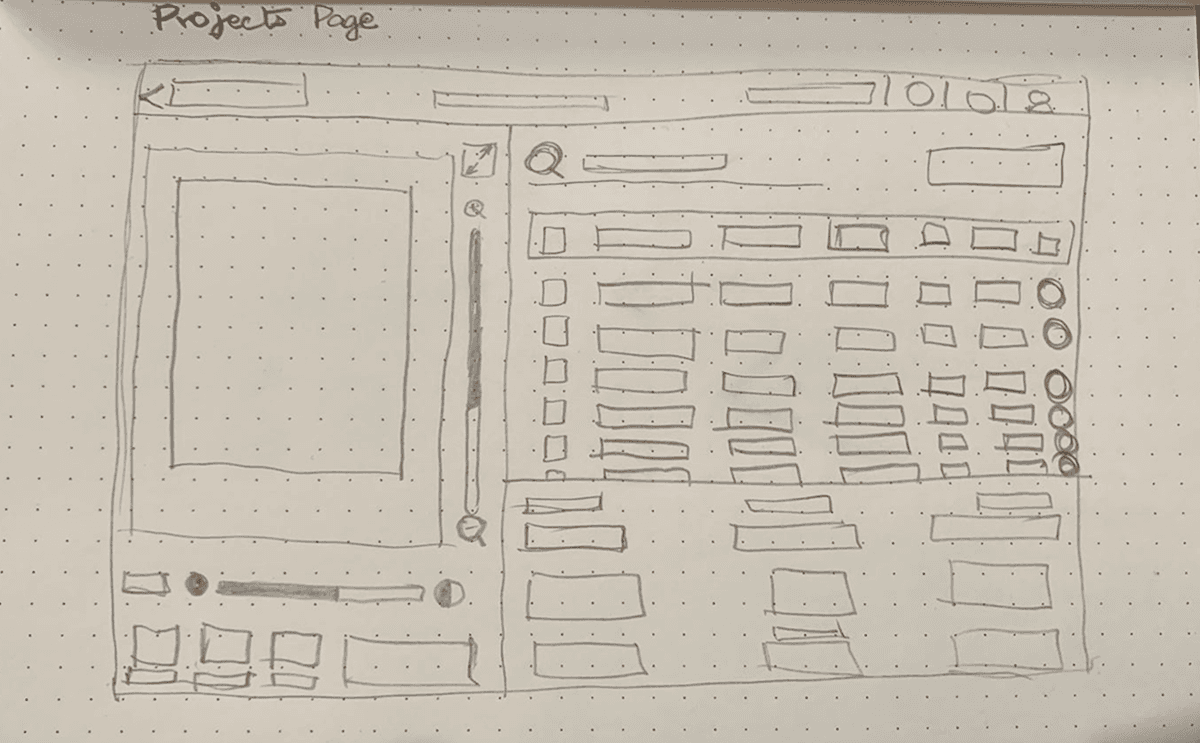
Sketching out the wireframes
Sketching out the wireframes

05
05
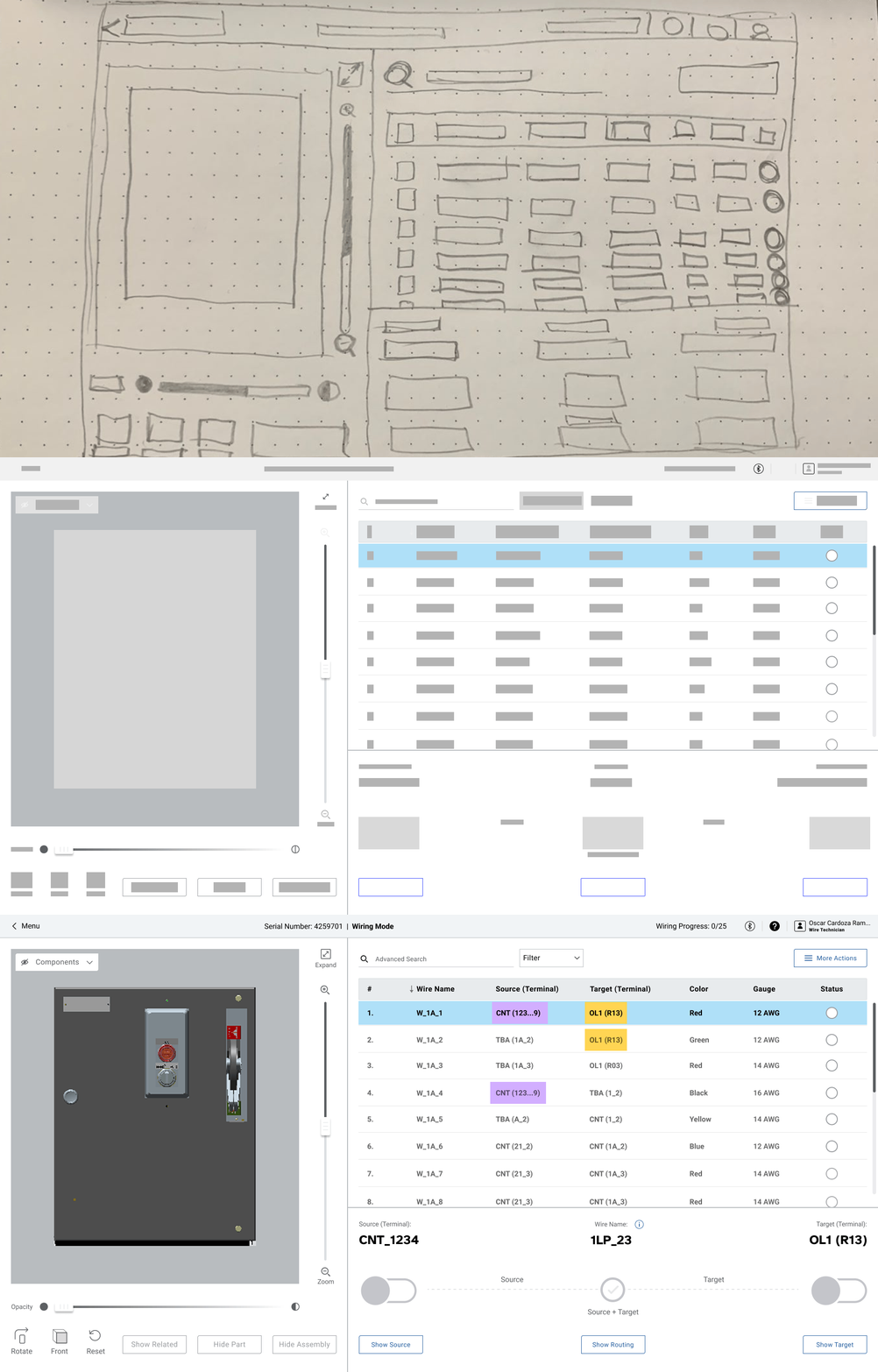
Putting things together
Putting things together
Flying from concepts to actual design
Flying from concepts to actual design
It was great to finally see our ideas coming together to create and develop the application.
05.1
05.1
Implementing the solution
Implementing the solution
Building the application with CAD features and wire tracking
Building the application with CAD features and wire tracking
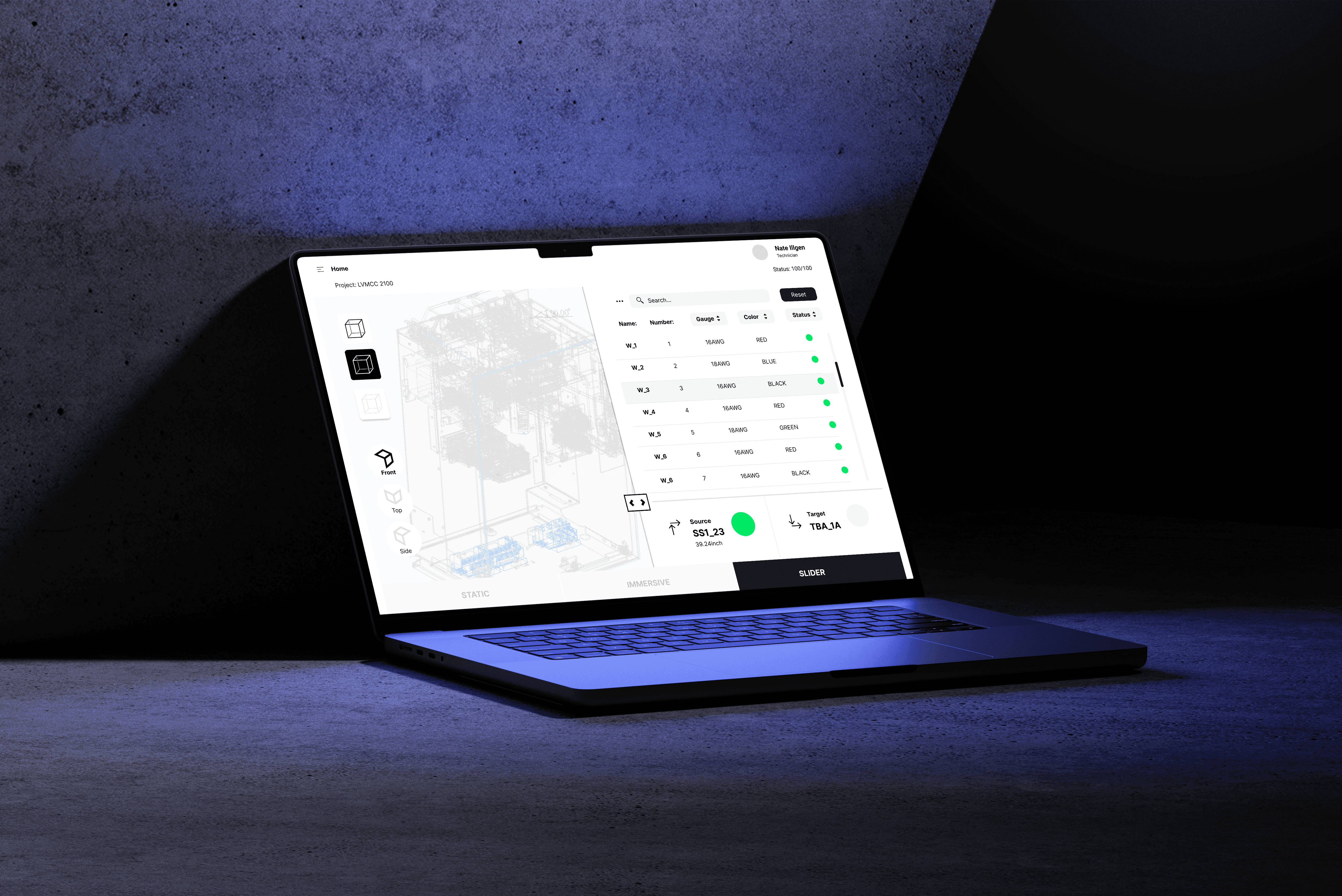
We digitized the whole process of wiring.
We digitized the whole process of wiring.
Putting everything together we built a user-friendly application with key features like Bluetooth voltmeter integration, downtime reporting, project commenting, and interactive CAD model viewing.
Putting everything together we built a user-friendly application with key features like Bluetooth voltmeter integration, downtime reporting, project commenting, and interactive CAD model viewing.
Before
Before
01
No paper trail
No paper trail
02
12 weeks to train
12 weeks to train
03
Wiring more prone to errors
Wiring more prone to errors
After
After
01
Paper trail availability
Paper trail availability
02
6-8 weeks to train
6-8 weeks to train
03
Significant reduction in error rate
Significant reduction in error rate
06
06
Releasing the app
Releasing the app
Launching our application in the plants to be tested on shop-floor
Launching our application in the plants to be tested on shop-floor
Digital Pilot was a success and we took all the feedback users gave us. After implementing the changes we launched the app for real production.
$6.5m+
$6.5m+
Savings so far
Savings so far
-60%
-60%
Faster onboarding
Faster onboarding
+65%
+65%
Improved retention
Improved retention
-55%
-55%
Fewer wiring issues
Fewer wiring issues
-15%
-15%
Less rework needed
Less rework needed
07
07
Summary of the project
Summary of the project
Here's a quick summary of the whole project with problems, solutions and the results
Here's a quick summary of the whole project with problems, solutions and the results
I created a video package which highlights the problem, the research and iterations, and the solution we created. This displays the key points, the implementation and the results.
08
08
Key Metrics
Key Metrics
Highlighting the impact of the project
Highlighting the impact of the project
Here are the main key metrics that we got as a result of our solution implementation.
$6.5M
$6.5M
$6.5M
Saved so far
Saved so far
60%
60%
60%
Faster Onboarding
Faster Onboarding
6 weeks
6 weeks
6 weeks
Training time reduced (from 12 weeks)
Training time reduced (from 12 weeks)
55%
55%
55%
Reduction in errors
Reduction in errors
09
09
Next Project
Next Project
Want to see more case studies?
Want to see more case studies?
Explore these 2 other projects, prototypes and unique meaningful experiences.
Explore these 2 other projects, prototypes and unique meaningful experiences.



Let's connect
I turn complex products into clear, scalableexperiences.
Let's connect
Looking for a designer who thinks
beyond the interface?
Looking for a designer who thinks
beyond the interface?
I enjoy partnering with ambitious teams to transform complex problems into intuitive products
that users love and businesses can grow around. Whether you're building from zero or improving
an existing experience, I'd love to hear what you're working on.
I enjoy partnering with ambitious teams to transform complex problems into intuitive products that users love and businesses can grow around. Whether you're building from zero or improving an existing experience, I'd love to hear what you're working on.